



How do I measure the heat output of my outdoor bio ethanol fireplace?
Jun 24, 2025
Leave a message
Hey there! As a supplier of outdoor bio ethanol fireplaces, I often get asked about how to measure the heat output of these amazing fireplaces. It's a crucial question, especially if you're looking to create the perfect outdoor ambiance while keeping warm. So, let's dive right in and explore the methods to measure the heat output of your outdoor bio ethanol fireplace.
Why Measuring Heat Output Matters
Before we get into the how-to, let's talk about why it's important to measure the heat output of your outdoor bio ethanol fireplace. Knowing the heat output helps you determine the right size of the fireplace for your outdoor space. Whether you have a small patio or a large backyard, getting the heat output right ensures that you're not freezing or sweating while enjoying your outdoor time. It also helps you understand the energy efficiency of your fireplace, which can save you money in the long run.
Understanding Heat Output Units
The heat output of a fireplace is typically measured in British Thermal Units (BTUs). A BTU is the amount of heat required to raise the temperature of one pound of water by one degree Fahrenheit. In simple terms, the higher the BTU rating of your outdoor bio ethanol fireplace, the more heat it can produce.
Factors Affecting Heat Output
Several factors can affect the heat output of your outdoor bio ethanol fireplace. The size of the fireplace, the type of bio ethanol fuel used, and the outdoor conditions all play a role. For example, a larger fireplace will generally have a higher heat output than a smaller one. The quality of the bio ethanol fuel can also impact how much heat is produced. And if it's a windy day, some of the heat may be carried away by the wind, reducing the effective heat output in your seating area.
Methods to Measure Heat Output
1. Manufacturer's Specifications
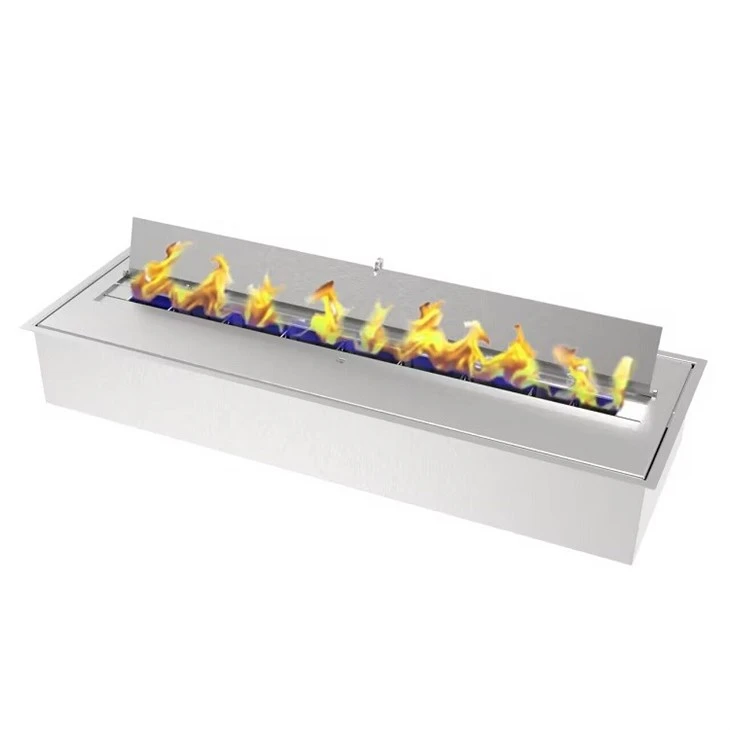
The easiest way to get an idea of the heat output of your outdoor bio ethanol fireplace is to check the manufacturer's specifications. When you purchase an Outdoor Bio Ethanol Fireplace, the product details usually include the BTU rating. This rating gives you a good starting point for understanding how much heat the fireplace can generate.
2. Using a Heat Gun
If you want to measure the heat output more precisely, you can use a heat gun. Here's how you do it:
- First, make sure your outdoor bio ethanol fireplace is set up in a stable position and is ready to be used.
- Let the fireplace burn for about 10 - 15 minutes to reach a steady state. This allows the fireplace to heat up properly.
- Hold the heat gun about 12 - 18 inches away from the front of the fireplace. Point the heat gun at the center of the flame and take a reading.
- Repeat this process at different angles and distances from the fireplace to get a more accurate average temperature.
- To convert the temperature reading to BTUs, you'll need to use a conversion formula. However, this can be a bit tricky, and it's often best to consult a professional if you need a very accurate BTU measurement.
3. Calculating Based on Fuel Consumption
Another way to estimate the heat output is by calculating based on the fuel consumption. Bio ethanol fuel has a known energy content, which is typically around 11,500 - 12,000 BTUs per pound.

- First, measure the amount of bio ethanol fuel your fireplace consumes in an hour. You can do this by weighing the fuel container before and after an hour of burning.
- Then, multiply the amount of fuel consumed (in pounds) by the energy content of the bio ethanol fuel (in BTUs per pound). For example, if your fireplace consumes 0.5 pounds of bio ethanol fuel in an hour, and the energy content is 11,500 BTUs per pound, the estimated heat output would be 0.5 x 11,500 = 5,750 BTUs per hour.
Comparing Different Outdoor Bio Ethanol Fireplaces
When you're in the market for an outdoor bio ethanol fireplace, comparing the heat output of different models is essential. You might come across some Indoor Stainless Steel Manual Ethanol Fireplace Burner models that can also be used outdoors. However, make sure to check the manufacturer's recommendations to ensure they're suitable for outdoor use.
Outdoor bio ethanol fireplaces come in a wide range of BTU ratings. Smaller fireplaces may have a heat output of around 3,000 - 5,000 BTUs per hour, which is great for a small patio or a cozy seating area. Larger fireplaces can have a heat output of 10,000 BTUs or more, making them suitable for larger outdoor spaces.
Tips for Maximizing Heat Output
- Positioning: Place your outdoor bio ethanol fireplace in a sheltered area to reduce the impact of wind. This will help keep the heat concentrated in your seating area.
- Fuel Quality: Use high-quality bio ethanol fuel. Better quality fuel generally burns more efficiently and produces more heat.
- Regular Maintenance: Keep your fireplace clean and well-maintained. A dirty or clogged burner can reduce the heat output.
Conclusion
Measuring the heat output of your outdoor bio ethanol fireplace is an important step in ensuring you get the most out of your fireplace. Whether you rely on the manufacturer's specifications, use a heat gun, or calculate based on fuel consumption, understanding the heat output helps you create a comfortable outdoor environment.
If you're interested in purchasing an outdoor ethanol fireplace or have any questions about heat output or our products, feel free to reach out to us. We're here to help you find the perfect fireplace for your outdoor space.
References
- "Heating Basics: Understanding BTUs." Energy.gov
- "Bio Ethanol Fuel: Properties and Combustion." Journal of Renewable Energy Research
Send Inquiry