



How does the cleaning process of a biofuel burner fireplace compare to other fireplaces?
Oct 13, 2025
Leave a message
As a supplier of biofuel burner fireplaces, I've had numerous conversations with customers about the cleaning process of different types of fireplaces. In this blog post, I'll delve into how the cleaning process of a biofuel burner fireplace compares to other fireplaces, such as wood - burning and gas fireplaces.
Wood - Burning Fireplaces
Wood - burning fireplaces have a long - standing charm. The crackling sound of burning wood and the warm, rustic ambiance they create are hard to beat. However, their cleaning process is quite labor - intensive.
First, after each use, you need to let the ashes cool completely. This can take several hours, especially if you've had a large fire. Once the ashes are cool, you must carefully scoop them out using an ash shovel and place them in a metal container. Ashes can be a health hazard if they are inhaled, so wearing a dust mask is highly recommended during this process.
Next, you have to clean the firebox. Over time, creosote, a sticky and highly flammable substance, builds up on the walls of the firebox. To remove it, you'll need a wire brush. Scrubbing the firebox can be a messy job, and it often requires a significant amount of elbow grease.
The chimney also demands regular attention. A dirty chimney can pose a serious fire risk. Chimney cleaning should be done at least once a year by a professional chimney sweep. They use specialized tools to remove creosote and other debris from the chimney flue. This service can be quite expensive, and it's an additional cost that wood - burning fireplace owners have to bear.
Gas Fireplaces
Gas fireplaces offer convenience and a cleaner - burning alternative to wood - burning fireplaces. They typically have a glass front that allows you to enjoy the flames without the mess of ashes.
The cleaning process for gas fireplaces is relatively straightforward. You should start by turning off the gas supply to the fireplace. Then, gently wipe the glass front with a non - abrasive glass cleaner. This removes any fingerprints, soot, or debris that may have accumulated on the glass.
The burner and logs in a gas fireplace also need occasional cleaning. The burner can get clogged with dust and debris over time, which can affect the flame quality. You can use a soft brush or compressed air to clean the burner ports. The artificial logs may need to be dusted or replaced periodically to maintain their appearance.

However, gas fireplaces also have some components that require professional maintenance. The pilot light and gas valves should be inspected regularly by a qualified technician to ensure they are functioning safely. This is a safety - critical step, and improper maintenance can lead to gas leaks, which are extremely dangerous.
Biofuel Burner Fireplaces
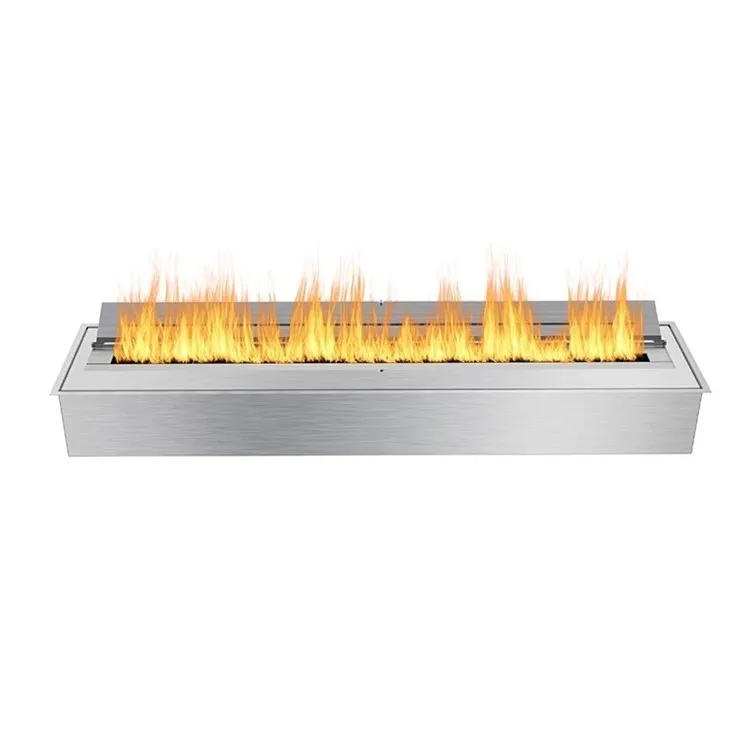
Biofuel burner fireplaces, like our Stainless Steel Bio Ethanol Round Burner, 72 Inch Bioethanol Fireplace, and Outdoor Bio Ethanol Fireplace, offer a unique combination of elegance and ease of cleaning.
One of the biggest advantages of biofuel burner fireplaces is that they produce very little ash or soot. Bioethanol fuel burns cleanly, leaving behind minimal residue. After each use, you can simply let the burner cool down. Once it's cool, you can wipe the burner with a soft, damp cloth. This quick and easy step removes any minor residue that may have formed during the burning process.
The exterior of the biofuel burner fireplace can be cleaned using a mild soap and water solution. You don't need any harsh chemicals or abrasive cleaners, which makes the cleaning process environmentally friendly.
Unlike wood - burning fireplaces, there's no need for chimney cleaning with biofuel burner fireplaces. Since they don't produce large amounts of creosote or other chimney - clogging substances, you can save both time and money on chimney maintenance.
Compared to gas fireplaces, biofuel burner fireplaces don't have complex gas valves or pilot lights that require professional inspection. This eliminates the need for expensive annual maintenance by a technician.
Comparison Summary
When comparing the cleaning processes of these three types of fireplaces, biofuel burner fireplaces clearly stand out for their simplicity and low - maintenance requirements. Wood - burning fireplaces are the most labor - intensive, with the need to clean ashes, scrub the firebox, and hire a professional chimney sweep. Gas fireplaces are relatively easy to clean on the surface but still require occasional professional maintenance for safety - critical components.
Biofuel burner fireplaces offer a hassle - free cleaning experience. They allow you to enjoy the warmth and beauty of a fireplace without the stress and expense associated with traditional fireplace cleaning.
Conclusion
If you're in the market for a new fireplace and are concerned about the cleaning process, a biofuel burner fireplace is an excellent choice. At our company, we offer a wide range of biofuel burner fireplaces, including the Stainless Steel Bio Ethanol Round Burner, 72 Inch Bioethanol Fireplace, and Outdoor Bio Ethanol Fireplace.
We understand the importance of providing high - quality products that are both beautiful and easy to maintain. If you're interested in learning more about our biofuel burner fireplaces or would like to discuss a potential purchase, we encourage you to reach out to us. Our team of experts is ready to assist you with all your fireplace needs. Let us help you bring the warmth and elegance of a biofuel burner fireplace into your home.
References
- "Fireplace Maintenance Guide," Home Improvement Association.
- "Safety and Maintenance of Gas Fireplaces," National Fire Protection Association.
- "Bioethanol as a Sustainable Fuel," Journal of Renewable Energy.
Send Inquiry