



How does the cost of using an ethanol burner compare to other fuels?
Oct 30, 2025
Leave a message
Hey there! As a supplier of ethanol burners, I've gotten a ton of questions about how the cost of using an ethanol burner stacks up against other fuels. So, I thought I'd break it down for you in this blog post.
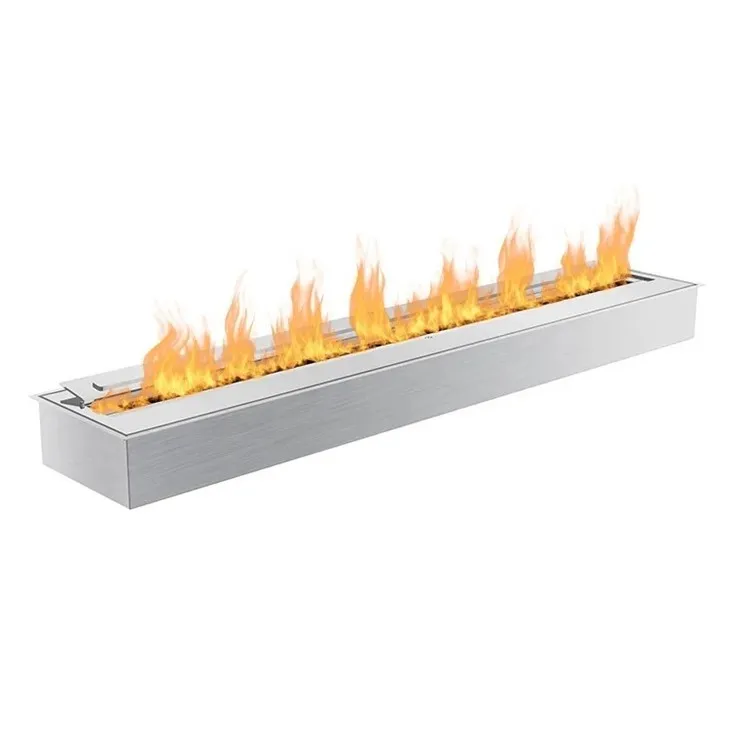
Let's start by talking a bit about ethanol burners. They're pretty cool devices. Ethanol burners use bio - ethanol as fuel, which is a renewable energy source. It's made from things like corn, sugarcane, or other plant materials. You might have seen Fireplace Bio Ethanol Burner Insert in some trendy homes or fancy restaurants. These burners are not only eco - friendly but also create a really cozy and inviting atmosphere.
Now, let's dive into the cost comparison. First up, we've got propane. Propane is a popular fuel for all sorts of things, from grills to heaters. It's stored in tanks and is readily available at many hardware stores and gas stations.
The initial cost of setting up a propane system can be a bit steep. You need to buy the propane tank, and if it's for a heating system, there might be some installation costs involved. On the other hand, an ethanol burner is usually a lot simpler to set up. You just need to place it in the right spot and pour in the bio - ethanol. There's no need for a big tank or complex installation.
When it comes to the cost per use, propane prices can fluctuate quite a bit. They're affected by things like global oil prices, seasonal demand, and geopolitical events. In some areas, propane can be relatively cheap, but in others, it can get pretty expensive. Bio - ethanol, on the other hand, has a more stable price point. Since it's made from renewable resources, its production is less dependent on the volatile global oil market.
Let's do some rough math. A gallon of propane might cost you around $2 - $4, depending on where you live. And a typical propane heater might use about half a gallon per hour. So, that's about $1 - $2 per hour of use.
For an ethanol burner, a liter of bio - ethanol usually costs around $3 - $5. An average - sized ethanol burner might use about 0.2 - 0.3 liters per hour. So, the cost per hour of use would be around $0.6 - $1.5. You can see that in many cases, the cost of using an ethanol burner can be lower, especially if propane prices are high.

Next, let's talk about natural gas. Natural gas is another common fuel for heating and cooking. It's piped directly into homes, so there's no need for a storage tank. The infrastructure for natural gas is already in place in many urban and suburban areas.
The cost of natural gas is measured in therms or cubic feet. On average, the cost of natural gas per therm is around $1 - $2. A typical natural gas fireplace might use about 1 - 2 therms per hour. So, the cost per hour of use is about $1 - $4.
Compared to natural gas, an ethanol burner can still be cost - effective, especially for smaller spaces. If you just want to add a bit of warmth and ambiance to a small room, an ethanol burner might be a more economical choice. You don't have to heat up an entire house using natural gas when you can use a targeted ethanol burner.
Now, what about wood? Wood has been used as a fuel for thousands of years. It's a traditional choice for fireplaces and stoves. The cost of wood can vary widely. If you have access to free wood from your own property or from a friend, then it's a very cheap option. But if you have to buy it, a cord of wood can cost anywhere from $100 - $300.
A cord of wood can last a while, but it also requires a lot of storage space. And you need to make sure it's properly seasoned before you burn it. An ethanol burner doesn't have these storage and preparation issues. You just keep a few bottles of bio - ethanol on hand, and you're good to go.
In terms of efficiency, an ethanol burner is pretty efficient. It burns cleanly, which means you're getting the most out of the fuel. Wood, on the other hand, can be less efficient. A lot of the heat can be lost up the chimney, and there's also the issue of ash and soot that you need to clean up.
Another advantage of an ethanol burner is that it doesn't produce harmful emissions like some other fuels. Propane and natural gas can produce carbon monoxide if not burned properly. Wood burning can release particulate matter and other pollutants into the air. Bio - ethanol burns cleanly, producing mainly carbon dioxide and water vapor.
So, overall, when you consider the initial setup cost, the cost per use, and the environmental impact, an ethanol burner can be a great choice. It's cost - effective, easy to use, and eco - friendly.
If you're thinking about switching to an ethanol burner or adding one to your home or business, I'd love to talk to you. Whether you're looking for a Fireplace Bio Ethanol Burner Insert or another type of ethanol burner, I can help you find the right product for your needs. Reach out to me, and we can discuss your options and get you set up with a great ethanol burner.
References:
- Energy Information Administration for propane, natural gas price data
- Industry reports on bio - ethanol production and pricing
- General knowledge on wood fuel costs and usage
Send Inquiry